How to Wash and Store Your Dive Gear After a Dive
How to wash dive gear after every dive, piece by piece: mask and fog, snorkel, fins, wetsuit, BCD, regulator, dive computer, then drying, storing and servicing.
The dive is over, the boat is heading home, and your gear sits in a wet pile on deck. PADI says that with proper care, your equipment lasts for many dive trips. This guide goes through how to wash and store your dive gear, piece by piece. Every step comes from PADI or from the brand of the product, and we name the source each time.
Why rinse after every dive
PADI's gear pages say the same thing for almost every item: mask, snorkel, fins, BCD, regulator and dive computer all get a rinse in fresh water after each use. For a wetsuit, PADI says to rinse, dry and carefully store it after diving.
Owning gear means more than rinsing, though. PADI points out that regulators need servicing and parts replacing from time to time, dive computers need battery changes, and BCD inflator hoses need care too. You also need somewhere cool and dry to keep it all at home.
Right after the dive
- Rinse in fresh water after every dive. For the regulator and the dive computer, PADI says to rinse them as soon as possible after diving.
- Put the regulator's dust cap on before you rinse it (more in the regulator section below).
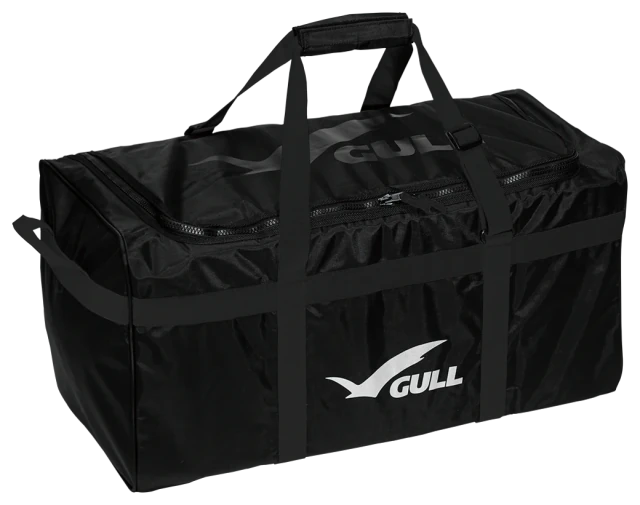
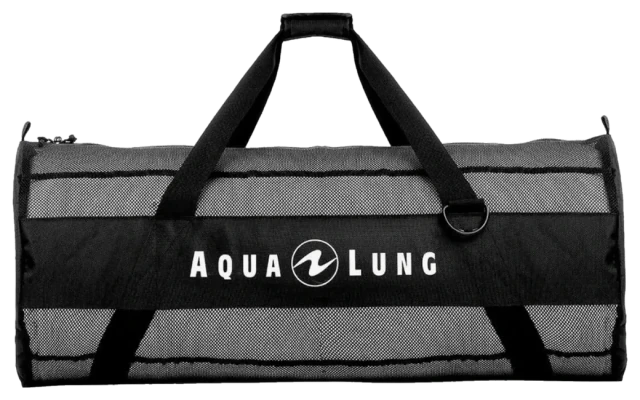
- A mesh bag makes it easier. PADI lists drain holes or mesh areas as a gear-bag feature that lets out excess water. With GULL's mesh bags and Aqualung's Adventurer, the brands say you can rinse your gear inside the bag and let the water drain out (more in the bags section).
Care piece by piece
Mask, and how to stop it fogging
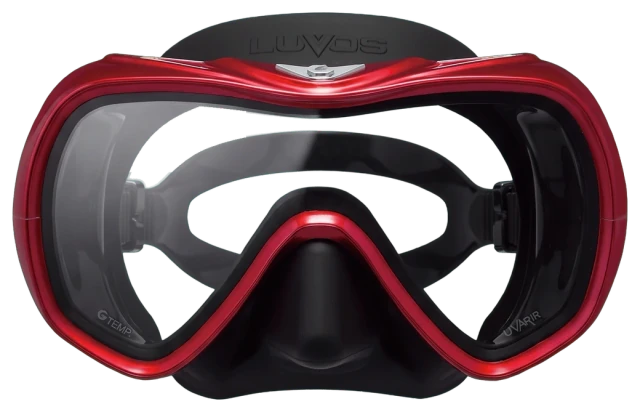
A new mask. PADI explains that most new lenses need a scrub before use, because the glass picks up residue during manufacturing, and that dive centres and manufacturers recommend different methods, so check your mask's own instructions first, especially with a coated lens. For GULL LUVOS, GULL says to clean the lens with a neutral detergent and the pad of your finger, and warns that a sponge may damage the coating.
Fog. PADI recommends a defog solution on the lens before every dive. If your mask still fogs, a PADI article suggests a gentle liquid soap on the inside of the lens, rinsed off before each dive. Some lenses are made against fog: Aqualung lists anti-fog Plexisol lenses on Aqualung Sphera X, a freediving mask.
After the dive:
- Rinse it thoroughly in fresh water after each use (PADI).
- Keep it out of direct sunlight as much as possible, and store it in a cool, dry place (PADI).
- Store it in a plastic mask box. A PADI article warns that bugs eat silicone.
- Never put it down lens-side down, to avoid scratching the lens (PADI).
- Keep a clear silicone skirt away from anything neoprene, such as black fins. PADI says neoprene can leach into the silicone and discolour it.
Choosing a new mask? Fit and new-mask prep are in How to choose a dive mask.
Snorkel
- Rinse it in fresh water with your mask after each use (PADI).
- Store it in a cool, dry place, out of direct sunlight (PADI).
- Keep it away from neoprene rubber, so the silicone parts don't stain (PADI).
More on snorkels in How to choose a snorkel.
Fins
- Rinse them in fresh water after each use, and store them in a cool, dry place, out of direct sunlight (PADI).
- Check the straps regularly for tears. PADI says that unless you have nearly indestructible spring straps, a strap will break one day, so keep a spare.
More on fins in How to choose dive fins.
Wetsuit
- Rinse it, dry it and store it carefully after diving (PADI). PADI notes that a wetsuit needs only fresh water and sensible storage, and now and then a good wash with a wetsuit soap.
- Hang it on a wide plastic or wooden hanger, so the shoulders don't crease (PADI).
- If you must fold it, fold it gently with the zip on top, or as the manufacturer directs (PADI).
More on wetsuits in How to choose a wetsuit.
BCD
- Rinse it thoroughly in fresh water after each use, both outside and inside (PADI).
- Let it dry completely, out of direct sunlight as much as possible (PADI).
- Store it partly inflated, in a cool, dry place (PADI).
- Don't leave weights in the weight pockets (PADI).
More on BCDs in How to choose a BCD.
Regulator: dust cap on, hands off the purge button
PADI's steps, in order:
- Put the first stage's dust cap firmly in place.
- Rinse the regulator gently in fresh water, as soon as possible after diving.
- Don't press the purge button while you rinse.
- Let it dry completely, out of direct sunlight.
- Store it with the hoses in large, gentle curves, not tight loops or bends, and flat if you can.
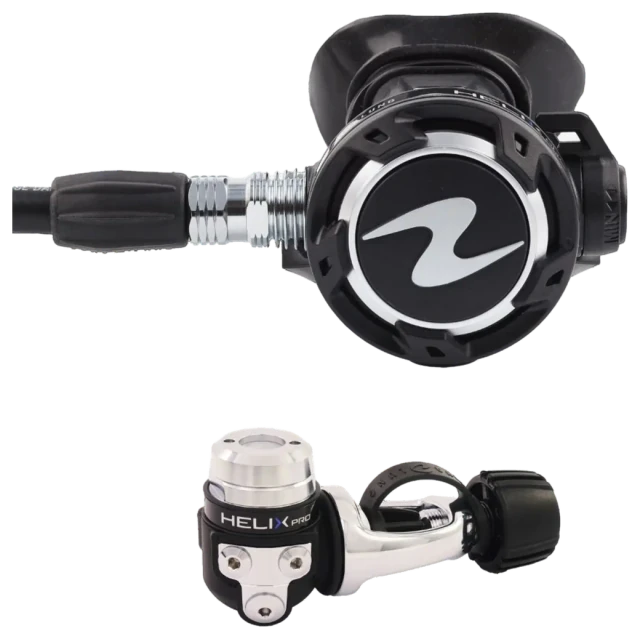
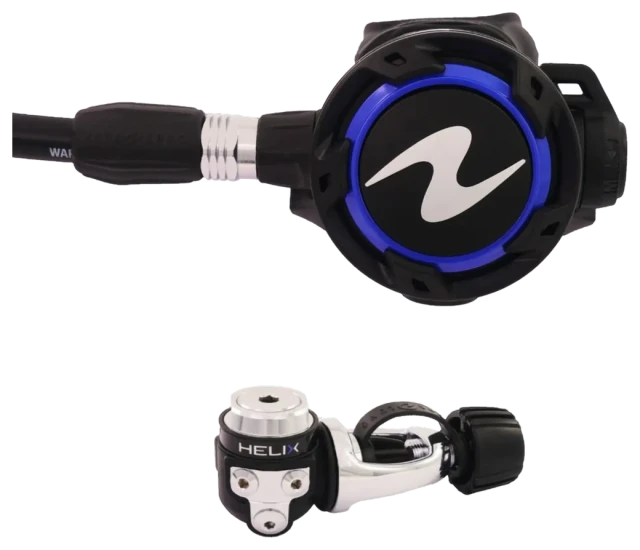
Some first stages add their own protection. On Aqualung Helix Pro, Aqualung says the Auto Closure Device (ACD) keeps the inlet shut when the regulator is off the cylinder valve, so debris and corrosive water stay away from the internal parts. Helix Pro still has a dust cap as well.
More on regulators in How to choose a scuba regulator.
Dive computer
- Rinse it in fresh water as soon as possible after each use (PADI).
- Keep it out of direct sunlight, especially the display (PADI).
- Protect it from damage and drops, and store it in a cool, dry place (PADI).
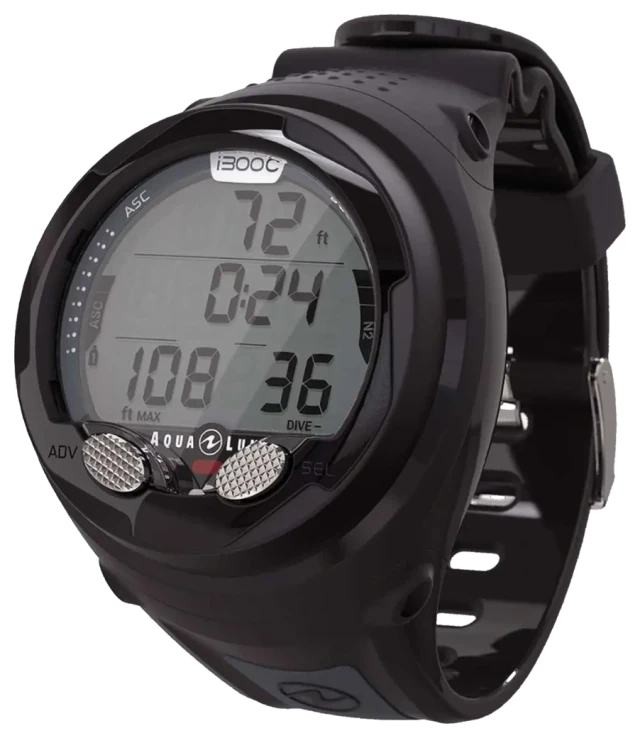
- Change or recharge the battery the way the manufacturer describes (PADI). On the Aqualung i300C and Aqualung i100, Aqualung says you change the standard battery yourself and the computer keeps your settings and calculations. The Aqualung i330R and Aqualung i770R have a rechargeable lithium-ion battery.
More on dive computers in How to choose a dive computer, and the i330R and i770R side by side in Aqualung i330R vs i770R.
Gear bags
- GULL AIR MESH BAG: GULL says you can rinse your gear in the bag and let it dry on the go. The mesh base drains, and the large zips help stop salt build-up.
- GULL ACTIVE MESH BAG and GULL SNORKELING MESH BAG: all mesh, so GULL says you can rinse your gear and drain it without taking it out.
- Aqualung Adventurer: Aqualung says you can rinse the whole kit in the bag and let it dry through the mesh. It lets water through, so it isn't a waterproof bag.
When you travel, PADI's advice is to pack well: what you need last at the bottom, what you need first on top. For flights, pad breakable items such as your mask well; PADI notes that wetsuits make good padding.
Drying and storing
Almost every PADI gear page says to keep it out of direct sunlight and store it somewhere cool and dry; for the wetsuit, BCD and regulator, PADI also says to dry it fully.
| Gear | Drying and sun (PADI) | Storing and checks (PADI) |
|---|---|---|
| Mask, snorkel | Mask out of direct sunlight as much as possible · snorkel stored out of direct sunlight | Cool, dry place · mask in a plastic box · clear silicone away from neoprene |
| Fins | Stored out of direct sunlight | Cool, dry place · check straps for tears |
| Wetsuit | Dry it after rinsing | Wide plastic or wooden hanger · fold gently, zip on top, if you must |
| BCD | Completely, out of direct sunlight as much as possible | Partly inflated, cool and dry · no weights in the pockets |
| Regulator | Completely, out of direct sunlight | Hoses in large, gentle curves · flat if you can |
| Dive computer | Out of direct sunlight, especially the display | Cool, dry place · protect from drops |
Servicing
Regulator. PADI says to have your regulator professionally serviced to the manufacturer's specifications, or sooner if you see damage, or it starts to breathe hard or leak air. PADI also suggests asking your dive centre to remind you when a service is due. Aqualung gives its interval for Helix and Helix Pro: a service every 2 years. That covers Aqualung Helix, Aqualung Helix Pro, and the Helix Pro in Aqualung Helix Pro Stage 3 and Aqualung Pack Helix Pro. For our other regulators, the brand information we have gives no interval yet; ask us on LINE.
BCD. PADI notes that BCD inflator hoses need care. The brand information we have gives no service interval for our BCDs yet.
Everything else. When you buy gear, PADI suggests asking how to store it, where to get it serviced and how often. And always make sure your gear works before you dive, even if that means getting it serviced first.
Bottom line
Fresh water after every dive, a full dry out of the sun, and a cool, dry place to keep it. Put the regulator's dust cap on before you rinse, keep your fingers off the purge button, and have it serviced as the maker says. Before the next dive, check that it all works.
New to diving? Our beginner tips video is a good next step, and Scuba gear list for beginners explains what each piece does.
FAQ
How do I wash my dive gear?
Rinse each piece in fresh water after every dive: mask, snorkel, fins, wetsuit, BCD (inside and outside), regulator and dive computer. Then let it dry out of direct sunlight and store it in a cool, dry place. That's PADI's advice for each item.
Do I need a special cleaner for dive gear?
PADI's care steps use fresh water. For a wetsuit, PADI adds that it may now and then need a good wash with a wetsuit soap. For a mask lens, follow your mask's instructions; for LUVOS, GULL says to use a neutral detergent and your fingertip, not a sponge.
Why does my dive mask fog up, and how do I stop it?
A new lens carries residue from manufacturing, so PADI says most new masks need a scrub before use. After that, PADI recommends a defog solution on the lens before every dive. If it still fogs, a PADI article suggests a gentle liquid soap on the inside of the lens, rinsed off before each dive.
Do anti-fog films work on a dive mask?
The PADI pages and brand pages we use don't cover anti-fog films, so we can't tell you. What PADI does recommend is a defog solution before every dive. PADI notes that makers give their own lens-care advice, and for LUVOS GULL warns that even a sponge can damage the coating, so check your mask's instructions before putting anything on a coated lens.
Can I press the purge button to flush the regulator while I rinse it?
No. PADI says don't press the purge button while rinsing, and to put the first stage's dust cap firmly in place before you rinse.
How often should a regulator be serviced?
As its manufacturer specifies, or sooner if you see damage or it breathes hard or leaks air (PADI). For Helix and Helix Pro, Aqualung says every 2 years.