Scuba, Snorkelling or Freediving: What's the Difference?
Scuba diving, snorkelling and freediving compared: how you breathe, the gear, the training, how deep PADI and SSI say you go, and which one to start with.
On your first sea trip you hear three words: scuba diving, snorkelling and freediving. They differ from the first breath. This guide explains what each one is, the gear it needs, whether you need a course, how deep people go, and how a beginner can start.
The diving and course facts come from PADI and SSI, agencies that train and certify divers. Gear prices come from the product pages on our site.
The difference is how you breathe
| Snorkelling | Scuba diving | Freediving | |
|---|---|---|---|
| How you breathe | Through a snorkel, from the air above the water | From a tank | On one breath |
| Where you are | Near the surface | Underwater, for longer | Down on one breath, then back up to breathe |
| Main gear | Mask, snorkel, fins | Mask, fins, tank, regulator, BCD, weights, dive computer | No heavy equipment (SSI) |
| Do you need a course? | Basic skills come quickly (PADI) | Yes, a certification course | PADI and SSI run courses |
What is scuba diving?
In Thai, "ดำน้ำลึก" (literally "deep diving") usually means scuba diving: you breathe from a tank of air you carry with you. According to PADI, breathing from a tank lets you stay underwater longer and dive deeper, but it needs extra training.
- Gear: PADI lists a regulator, a BCD, weights and a dive computer or gauges, on top of a mask, snorkel and fins. For what each piece does, read Scuba gear list.
- Training: the first card with both PADI and SSI is Open Water Diver. With it, PADI lets you dive to 18 m. Read more in Learn to dive.
- Depth: PADI says experienced divers go down to 40 m. Going deeper than 18 m takes more training; see Is scuba diving safe?
- How to start: if you want to try breathing underwater before a full course, or you can't swim well yet, see the first-dive options in Is scuba diving safe? PADI says people with some medical conditions may need a doctor's approval before scuba diving.
What is snorkelling?
When you snorkel, you float near the surface, look down through a mask, breathe through a snorkel from the air above, and move with fins.
- Gear: PADI lists a mask, a snorkel and fins. In warm water, a rash guard and swim trunks will do.
- Do you need a course?: according to PADI, people of all ages can learn basic snorkelling skills in 30 minutes or less, if they can already swim. If you want a proper programme, SSI runs Snorkel Diver, with no minimum age.
- Depth: PADI says the average snorkeler can swim down 3–4 m, and experienced snorkelers reach about 7 m. SSI Snorkel Diver trains to 5 m at most.
- How to start: join a snorkelling trip where the sea suits the season. Thailand's two coasts have different monsoons; see Where to dive in Thailand.
What is freediving?
Freediving means going underwater on one breath, with no tank. SSI says it needs no heavy equipment. PADI describes freediving as being about inward power, discipline and control.
- Gear: SSI says freedivers use their own kind of equipment, such as the monofin, which has its own SSI course.
- Training: PADI's first course is Basic Freediver, in a pool or confined water, as part of the Freediver course. Both take students from age 12 who swim well enough and are in good health. You need no snorkelling or freediving experience. Children from age 8 can take PADI Skin Diver instead.
- Depth: SSI Basic Freediver (from age 10) trains in a pool or confined water to 5 m at most. After SSI Freediver (from age 12) you can freedive in open water with a buddy to 20 m, and SSI Advanced Freediver (from age 15) trains to 30 m.
- How to start: SSI Basic Freediver and Freediver both teach you to freedive with a buddy, and neither needs an earlier certification.
Which one should a beginner start with?
Start from what you want in the water.
- You want to watch reefs and fish from the surface: start with snorkelling. Little gear, and the basics come quickly.
- You want to stay underwater longer and go deeper: learn to scuba dive, starting with Open Water Diver.
- You snorkel and want longer underwater, without a tank: PADI suggests its Basic Freediver or Freediver course.
If you start with snorkelling and may learn scuba later, know this before you buy: PADI says most good snorkel masks also work for scuba, but most snorkel fins are too flimsy for it.
Our gear for each kind of diving
Prices below are the prices on our site when this guide was written; we confirm price and stock on LINE @diverecords when you order.
Snorkelling
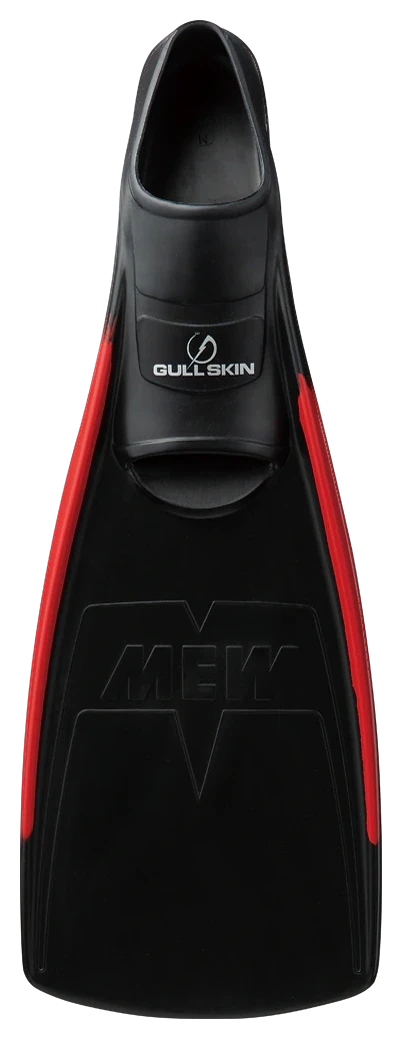
- GULL SUPER SOFT MEW · ฿4,090: a fin GULL made only for skin diving and snorkelling in shallow water. Soft rubber, not a scuba fin.
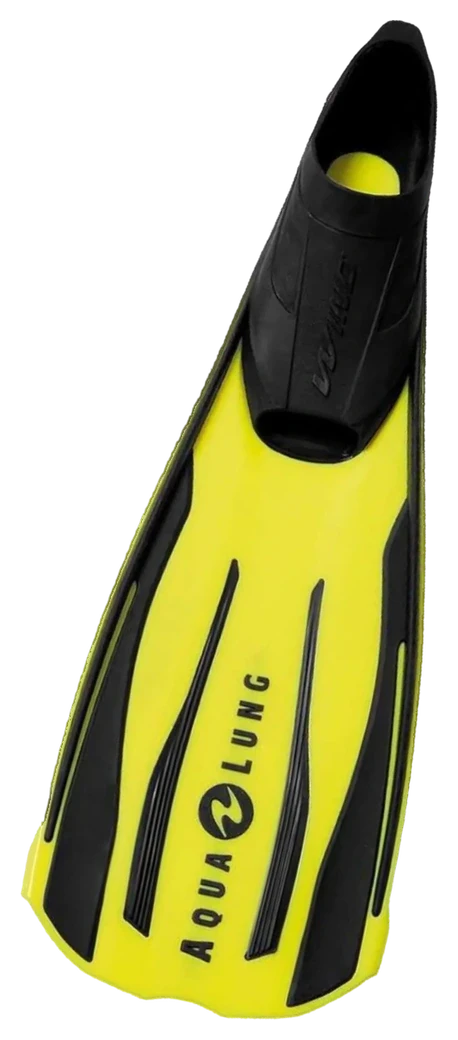
- Aqualung Wind · ฿1,790: a full-foot fin Aqualung calls entry level, for scuba or snorkelling in warm water, worn barefoot. If you may learn scuba later, one pair covers both.
- SCUBAPRO Crystal Vu Plus · ฿4,390: a mask SCUBAPRO lists for snorkelling as well as recreational diving.
- GULL CANAL STABLE · ฿1,690: a dry-top snorkel with a stabilizer pipe GULL says cuts vibration in a current, and a large purge chamber; for skin and scuba divers.
- GULL LEILA STABLE · ฿1,690: CANAL STABLE with a smaller 47 mm mouthpiece, for smaller mouths.
Scuba diving
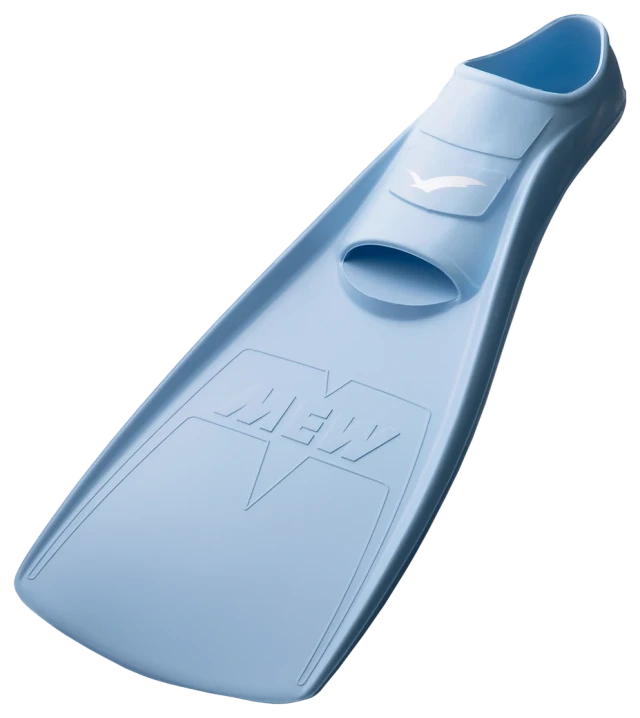
- GULL MEW · ฿4,290: a full-foot fin GULL calls easy to use from beginners to veterans, for skin diving and scuba.
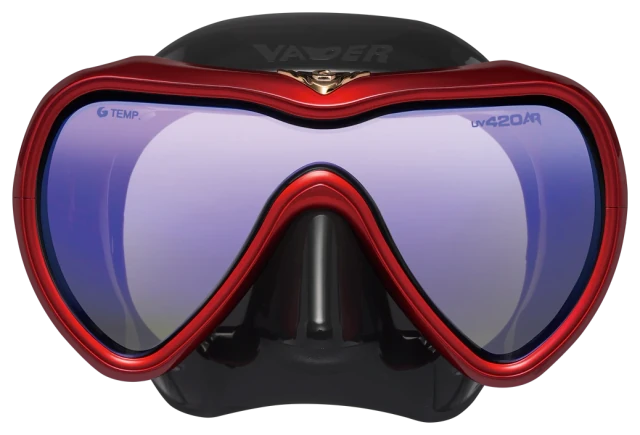
- GULL VADER · ฿6,490: a single-lens mask GULL calls ideal for scuba and skin diving.
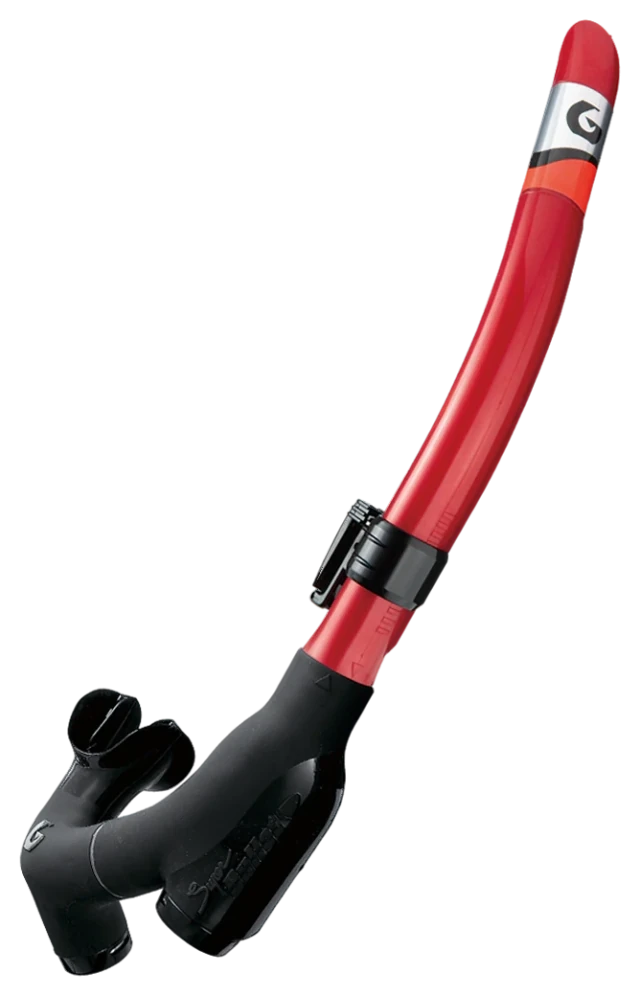
- GULL SUPER BULLET · ฿2,300: a snorkel GULL made for scuba and skin diving, with a 21 mm large-bore pipe.
Freediving
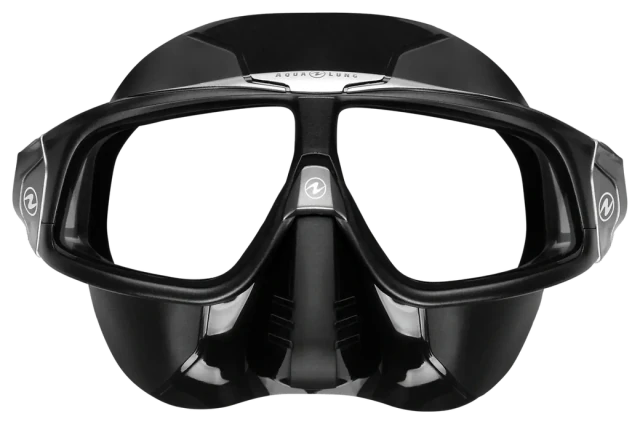
- Aqualung Sphera X · ฿2,890: Aqualung's freediving mask. Low volume and a curved lens with what Aqualung calls a panoramic view.
- We don't carry a fin its brand names for freediving yet. Ask us on LINE.
Compare every mask side by side in Compare dive masks, or let the gear finder ask how you dive and pick models for you.
Learn with us
See the courses and dates we run on the Courses page. If nothing fits yet, tell us on LINE @diverecords what you would like to learn.
FAQ
What is "ดำน้ำลึก" in English?
Usually scuba diving. "ดำน้ำตื้น" is snorkelling, and "ฟรีไดฟ์" is freediving.
What is scuba diving?
Diving while you breathe from a tank of air. PADI says it lets you stay underwater longer and dive deeper, but you need training first. The first card is Open Water Diver.
What is diving without a tank called?
Going down on one breath, with no tank, is freediving. SSI says that after its Freediver course you can freedive in open water with a buddy to 20 m.
Do I need experience to learn freediving?
PADI takes students from age 12 who swim well enough and are in good health, with no snorkelling or freediving experience needed. SSI needs no earlier certification either, and SSI Basic Freediver starts at age 10.
Do I need to swim to snorkel?
PADI says you can learn the basics in 30 minutes or less if you can already swim. For SSI Snorkel Diver you don't need to be a strong swimmer, but you must be comfortable in the water and able to float.