Learn to Dive in Thailand: The Open Water Course Explained
Learn to dive in Thailand: what the Open Water course certifies, the swim test, what you learn, where people learn, and how to book a course with us.
You want to dive on your own, not just float over the reef from the surface. The way in is the Open Water course. In Thailand people simply call the card "ใบดำน้ำ", the dive licence. This guide covers what the certification lets you do, who can take the course, what you learn, how long it takes, where people learn in Thailand, and how to book a course with us.
The course facts come from the course pages of PADI and SSI, agencies that certify divers. The booking terms come from our shop policy.
What is the Open Water certification?
A certification card shows that you have trained as a scuba diver. With both PADI and SSI, the first level has the same name: Open Water Diver.
According to PADI, once you are certified you can:
- dive anywhere in the world, down to 18 m (60 ft)
- dive with a buddy, without a dive professional supervising you
- get air fills, rent tanks and rent scuba gear
- book dive trips with dive boats and resorts
A PADI certification never expires. If you haven't been in the water for six months or longer, PADI suggests a refresher with its ReActivate program.
Who can learn, and how well do you need to swim?
As PADI states it:
- Age 10 or older. Divers aged 10–14 earn a Junior Open Water Diver certification, which becomes Open Water Diver automatically at 15.
- Swim 200 m without stopping, or 300 m in mask, fins and snorkel. Any stroke, no time limit.
- Float or tread water for 10 minutes without aids.
- Health. You fill in a standard medical questionnaire. If it flags a condition, a doctor has to sign off before you enter the water.
You don't need to be fast. You need to swim and be comfortable in the water. SSI also starts students at age 10, with a swim assessment and a survival float before open water training.
If you book a course with us, anyone under 20 needs a parent's or guardian's consent, and your health information must be truthful.
What you learn on the Open Water course
PADI splits the course into three parts:
- Knowledge development: the principles and terms of scuba diving. Study online with eLearning, on your own, or in a classroom. PADI puts eLearning at 5–10 hours, done whenever it suits you.
- Confined water: learn the basic skills in a pool or pool-like water until you are comfortable with the gear.
- Open water dives: four dives with your instructor in the ocean or a lake, usually over two days. You use what you learned in the pool and explore the real underwater world.
SSI's course follows the same shape: knowledge sessions, pool sessions and four open water sessions, with a maximum training depth of 18 m (60 ft).
The skills, as PADI lists them: put together and use your own scuba gear, manage your buoyancy, approach marine life respectfully, and handle common problems.
How many days does it take?
PADI says the whole course depends on the dive shop's schedule and on your progress during training. What it does state clearly: eLearning takes 5–10 hours, and the four open water dives usually take two days.
For the actual days of a course, ask us on LINE.
What does an Open Water course cost?
PADI says the cost depends on class size, location and whether you need to rent gear. The eLearning fee covers the theory only. Training in the water with an instructor is paid separately to the dive shop. A regulator, BCD, dive computer and tank may or may not be included, and you may need to buy or rent a wetsuit, depending on where you dive.
Our courses don't have a price on the site yet. Ask us for a price on LINE at @diverecords.
What gear to buy before the course
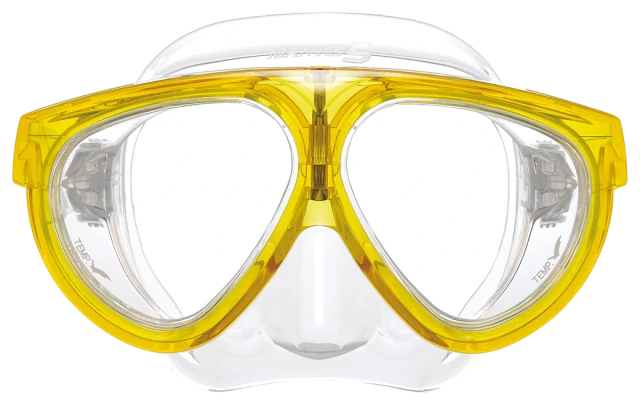
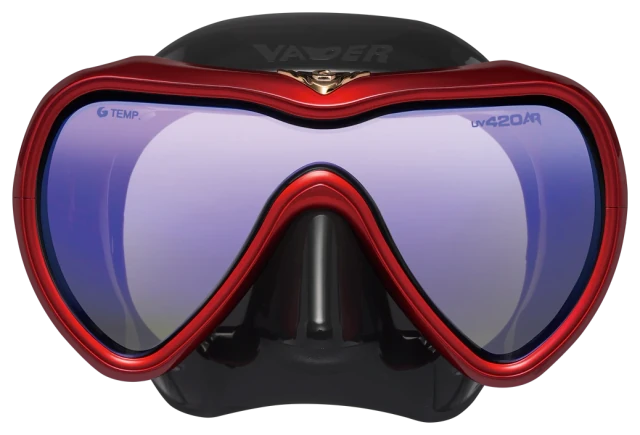
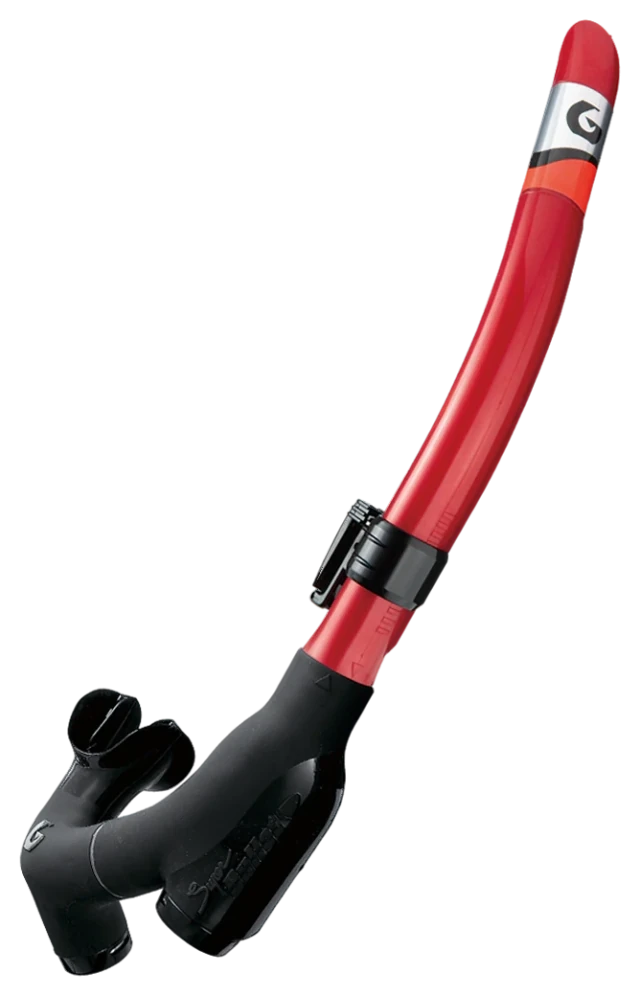
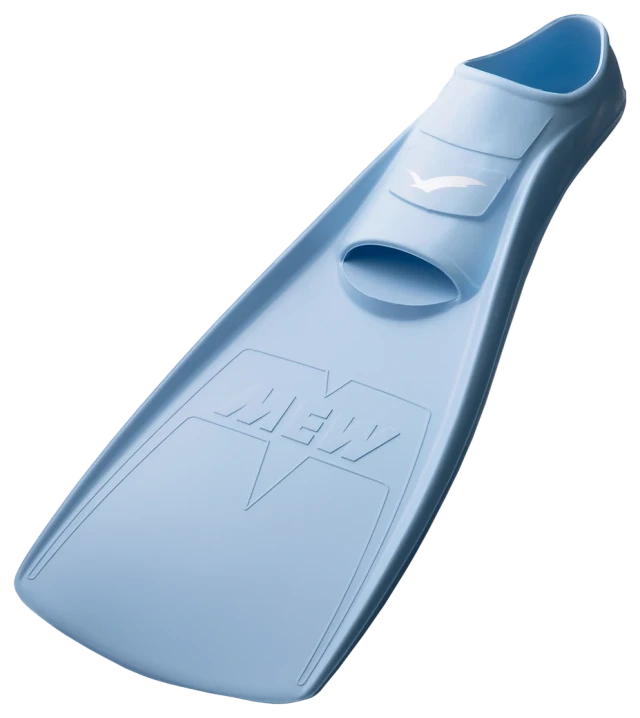
PADI says most dive shops ask students to bring their own mask, fins and snorkel. If you already own them, show them to your instructor before your first session in the water, because some snorkelling masks and fins are not suitable for scuba diving.
For every piece of gear you will meet on the course, and what to buy first or rent, read our scuba gear list. For help with fit, read How to choose a dive mask and How to choose dive fins.
Where to learn to dive in Thailand
When people search for dive courses in Thai, the places Google suggests most often are Bangkok, Koh Tao, Phuket, Pattaya, Samae San and Krabi. The pool part can be done in a swimming pool. The four open water dives need the ocean or a lake.
Pick your place by season. Thailand's two coasts get their monsoons at different times.
- Koh Tao (Gulf of Thailand): best from February to April and June to September. October to December brings heavy northeast-monsoon rain.
- Phuket and Krabi (Andaman Sea): the Andaman coast takes the southwest monsoon from about mid-May to mid-October, with heavy rain and rough seas.
- Pattaya and Samae San (Sattahip): rainy from mid-May to mid-October, wettest in August and September.
For every area, see our dive season chart, based on Thailand's Department of National Parks, the Thai Meteorological Department and the Tourism Authority of Thailand.
Also check that the place you learn belongs to the agency that will certify you. PADI training in the water is done with a PADI Instructor at a PADI dive center. SSI asks every student to choose an SSI Training Center when they register.
After Open Water: Advanced Open Water
Not sure what to learn next? PADI suggests trying Advanced Open Water Diver, a course where you sample several kinds of diving. As PADI states it:
- You need Open Water Diver or an equivalent entry-level certification first. Minimum age is 12.
- Five dives: two required, Deep and Underwater Navigation, plus three you choose with your instructor, for example wreck, night or Peak Performance Buoyancy.
- Once certified, you can dive to 30 m (100 ft) if you are 15 or older.
SSI also has an Advanced Open Water Diver course, where you try five different kinds of diving without taking each full specialty course.
Book a dive course with us
Our courses are taught by professional instructors from the dealer shop we work with, and by outside partners. Foreign visitors can book. See open course dates on our dive courses page. If no date fits, tell us on LINE at @diverecords which course you want, whether you are certified yet, and when you are free. We'll reply in the chat with the nearest dates.
- Pick a date, or ask us for dates on LINE.
- Pay a 30% deposit to hold your seat.
- Pay the rest at least 7 days before the course.
- Something came up? Reschedule once with at least 3 days' notice. If you cancel, the deposit is not refunded. If we cancel for weather or safety, you choose a new date or a full refund.
The full terms are on our shipping and returns page.
Before your first course, watch our free beginner lessons, including 5 things every new diver should know and 7 mistakes to avoid. They are in Thai.
FAQ
How deep can an Open Water diver go?
PADI says 18 m (60 ft), and SSI trains to a maximum of 18 m too. To go deeper, PADI's next step is Advanced Open Water, which takes you to 30 m (100 ft) if you are 15 or older.
Can I learn to dive if I'm not a strong swimmer?
PADI asks for a 200 m swim without stopping, any stroke, no time limit, or 300 m in mask, fins and snorkel, plus 10 minutes of floating or treading water. You don't need to be fast, but you need to be comfortable in the water.
Does a dive certification expire?
A PADI certification doesn't expire. If you haven't dived for six months or longer, PADI suggests a refresher before your next dive.
Can children learn to dive?
Yes, from age 10 with both PADI and SSI. With PADI, divers aged 10–14 first earn a Junior Open Water Diver certification, which becomes a standard one automatically at 15.